What Are You?
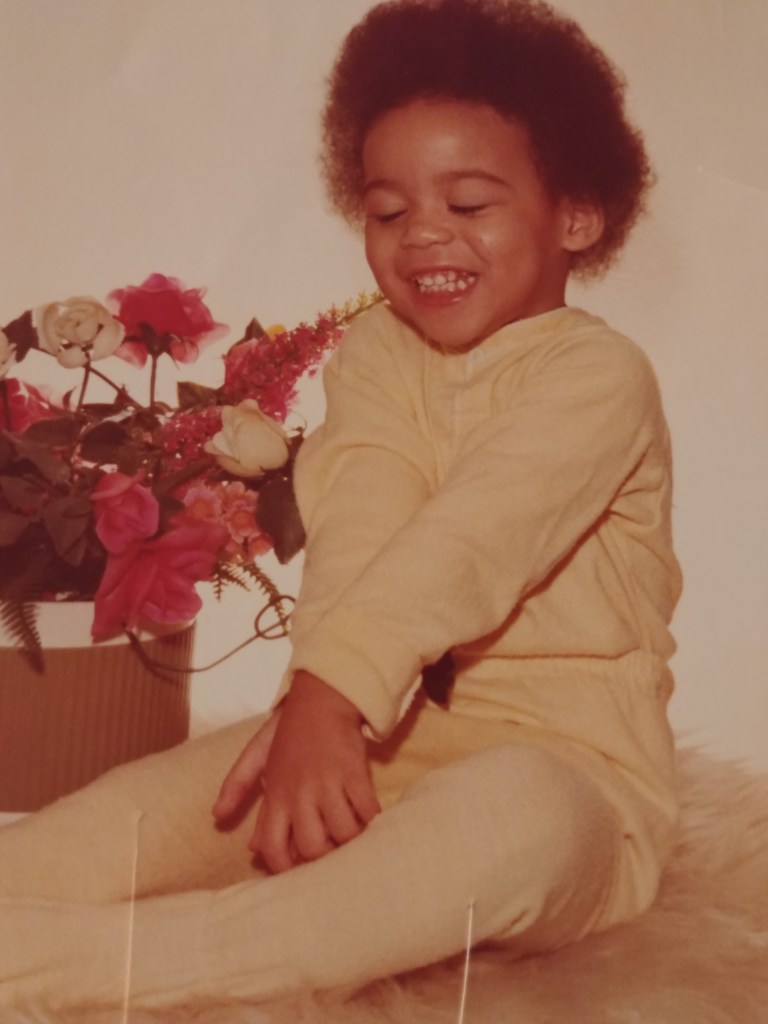
Throughout my life, I can’t tell you how many times I’ve been asked this question. My racial identity and how I identify has been a topic of conversation since I was a kid. In the spirit of full disclosure, I am mixed. My mother is Jamaican and father is Canadian with Irish and British roots. People in my family would ask me “when you grow up are you going to marry a Black or White guy?” That was their favorite question. I guess I would say I don’t know. I really don’t remember my reply.
Later in my early adolescent years the same question would pop up from strangers or people I was just getting to know. “What are you?” “I’m mixed” I replied. “What are you mixed with?” “My mother is Jamaican and my father is Canadian,” I said. “Oh you look so exotic” was the most common response I would receive. At the time, this made me feel special. I liked the attention I would get as a mixed girl. I liked the complements from strangers about my appearance. “You’re beautiful”. “I love your freckles.” “Mixed/ bi-racial people are always pretty.”
For many years, I thought the question was a positive thing that people couldn’t figure out my ethnicity. I could fit in with many different cultures and nationalities with ease because my external appearance was ambiguous leaving some people so stumped that they felt compelled to ask me for clarification by asking “what are you?” This I liked. To me, I felt there was power in racial ambiguity because I could be anyone I wanted. I would often respond with a question. “What do you think I am?” Then wait patiently for the person to list a whole host of nationalities that didn’t apply. It was like a guessing game. “Are you Spanish, Italian, Portuguese, Brazilian, Trinidadian, South African?” And I would just wait to interrupt and say “Nope. I am mixed with Jamaican and Irish.” Almost in a ha ha fooled you kind of way. So I started to switch up my reply and say “I am Canadian.” The responses I got and still get are telling. People would flat out not believe me. The response was “really!!? You’re born in Canada?” My response, was and is an unequivocal YES!
At the time I didn’t know it, but this was an example of micro inequities – a term coined by Dr. Mary Rowe, a Professor at Massachusetts Institute of Technology (MIT) in 1973 to describe subtle forms of racism that happen in everyday life and are hard to prove. What also bothered me is when people found out my ethnicity, they would make assumptions about me. “Jamaican eh! So you like spicy food”. “Oh mixed are you. Do you get your hair relaxed?” Hearing the assumptions that people made about me based on my race was unsettling.
According to Stuart Hall, cultural theorist and sociologist refers to this as “reading the body as a text”. Meaning that people apply a list of characteristics not based on the individual but based on his or her assumptions and cultural interpretation of the race. Now, when I get the question if it’s asked in what I perceive to be a rude way I don’t answer. If I believe the person asking is generally curious about my cultural background I will respond, “I’m mixed.” This is the answer I feel most comfortable with and that accurately describes me.
Barbara Sanchez
 Diverse Women Collective